
Skip to content
Gianna Homes
Admissions 952-443-6113Talk to Cari
Families · Is it time?

You’re allowed to just wonder for a while.

Most families ask “is it time?” quietly, late at night, long before they say it out loud. This page is for that stage — read, compare, take your time. And when you’d rather talk to a person, call Cari.

Since 1999A full-time RN in each homeCare that stays through end of lifeNo decisions required today
Talk to Cari
Have Cari call you back.

Tell us what’s going on, or nothing at all. You don’t have to decide anything today.
Please don’t include medical details here. For anything about a person’s health or care, call Cari at 952-443-6113.

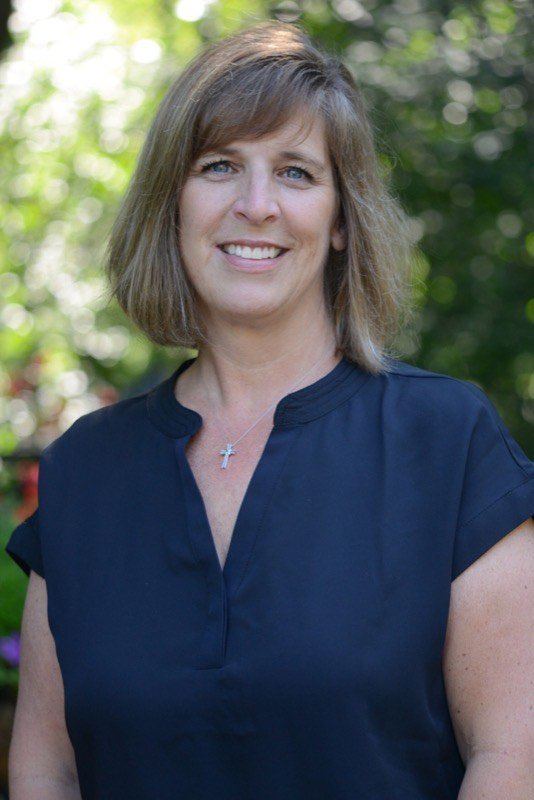
Cari Doucette
Cari Doucette, LALD · Executive Director
Goes to Cari, not a call center. Direct line 952-443-6113.
The signs conversation

The moments that start the question.

There’s no test that says “now.” There are usually moments — small ones that repeat, then one that doesn’t leave you. If some of these sound familiar, you’re in the right place.

“The stove was on again — and this time it scared you.”
Safety worries that stop being occasional and start living in your head.
“She’s not really eating unless someone sits with her.”
Meals, medications and washing quietly slipping, one at a time.
“He got lost three blocks from the house he’s lived in for forty years.”
Familiar places stop being familiar.
“Nights are the hardest part now.”
Wandering, sundowning, fear — and nobody in the house sleeping through.
“Dad is exhausted, and he won’t say it.”
Sometimes the emergency is the health of the person doing the caring.
“We’ve started trading shifts with my siblings.”
When family care becomes a schedule, it’s time to talk — even if it’s not time to move.

No single moment on this list decides anything. Together, they mean the question deserves to be said out loud — to your family, to her doctor, or to us.
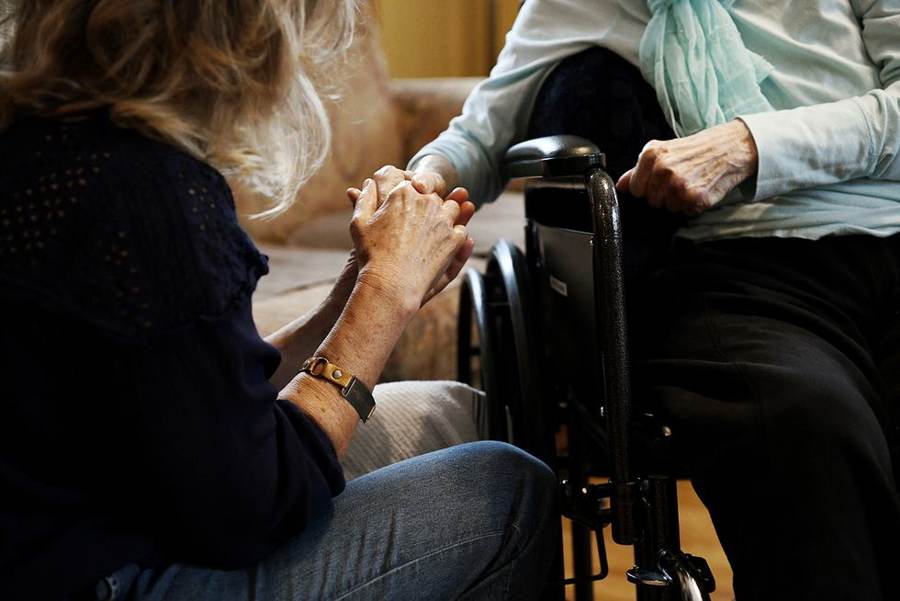
Holding hands
You don’t stop being her family when she has more help. You get to be her daughter again.
It’s not too early to call.

Some families call a year before they need anything. An early call doesn’t start a process — it just means that when the hard week comes, you’ll already know us, and Cari will already know your mom’s name.

Talk to Cari · 952-443-6113 →
Plain words

Memory care, assisted living, nursing home, in-home — what the words actually mean.

Search results make these sound interchangeable. They’re not. Here’s the honest version of each — and where we fit, in facts.

In-home care
Help comes to her, in the house she knows.
A caregiver for a few hours or around the clock, so home keeps working longer. Often the right first step.
Ours: Gianna HomeCare — 4 to 24 hours a day, nurse-supervised. The hourly rate is on the HomeCare page.
How HomeCare works →
Assisted living
In Minnesota, it’s a license — not one kind of place.
The name covers everything from big buildings to small homes. What matters is what a home is licensed and staffed to do.
Ours: both houses hold the MDH Assisted Living with Dementia Care license (HFID 30827 in Minnetonka, HFID 30018 in Plymouth) — and admission is dementia-only.
Why choose a small home →
Memory care
Care built around dementia, all day, every day.
Staff, routines and the house itself arranged for memory loss — not adapted to it after the fact.
Ours: two small homes with a full-time RN in each, 24-hour staffing, and care that stays through the end of life.
Come see the houses →
Nursing home
Skilled medical care in a clinical setting.
The right place for some conditions — and often the word families fear. It isn’t the only option.
Ours, in our own words: “we are not a nursing home. We are a residential home.” Care here continues up to the point of total care, with hospice in the house when needed.
How we care to the end →
Honesty first

Who our houses are right for — and who they’re not.

We’d rather tell you on the first call than after a visit.

Admission to both houses is dementia-only.
In their own words: “We take only residents who have some form of dementia” — Alzheimer’s, Lewy body, Parkinson’s, frontotemporal.
HomeCare is not dementia-only.
In-home care serves people with other conditions too — ask Cari about your situation.
No restraints. No “controlling” medications.
“We do not believe in using restraints at Gianna Homes,” and medications are not used to “control” behaviors.
Some situations we’re honestly not right for.
Cari will tell you plainly on the first call — and help you think about where to look instead.
From a family
“Families need to know that in the midst of such a sad, ugly illness there are moments of hope, joy and laughter…their loved one can have a purpose back in their life…our mother found purpose in her days again, when she moved into Gianna Homes ❤️”
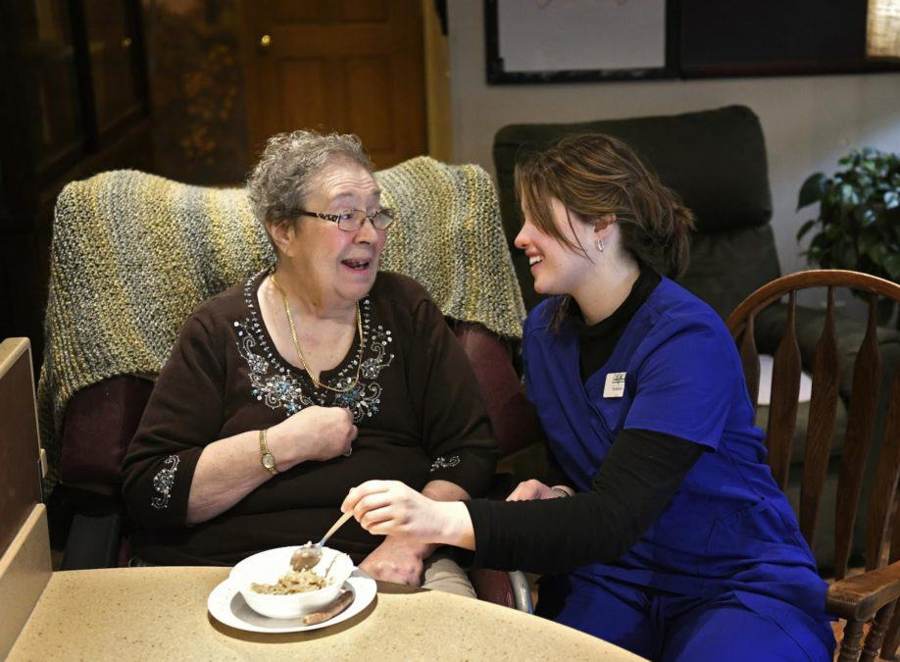
— Family Member
Dessert and a laugh
Whenever you’re ready

Three gentle next steps.

Just talk it through.
Tell Cari what’s going on, or nothing at all. You don’t have to decide anything today.
Talk to Cari · 952-443-6113 →
Start small, at home.
HomeCare can begin with a few hours at a time — nurse-supervised, in her own house.
How HomeCare works →
Come see a house.
See the rooms, meet the nurses, bring your questions. No pitch.
Come see the houses →

When it does move forward: a registered nurse comes to her — we assess at home, at the time of day that’s hardest. There’s no financial examination. And if you’d rather keep reading on your own first, the Alzheimer’s Association — alz.org — is a good next page.

However early it feels, it’s not too early to talk.
Talk to Cari · 952-443-6113Have Cari call me back ↑
Made by RA Marketing